Narrow-street moves in Isleworth: safe manoeuvre plans
Posted on 18/06/2026
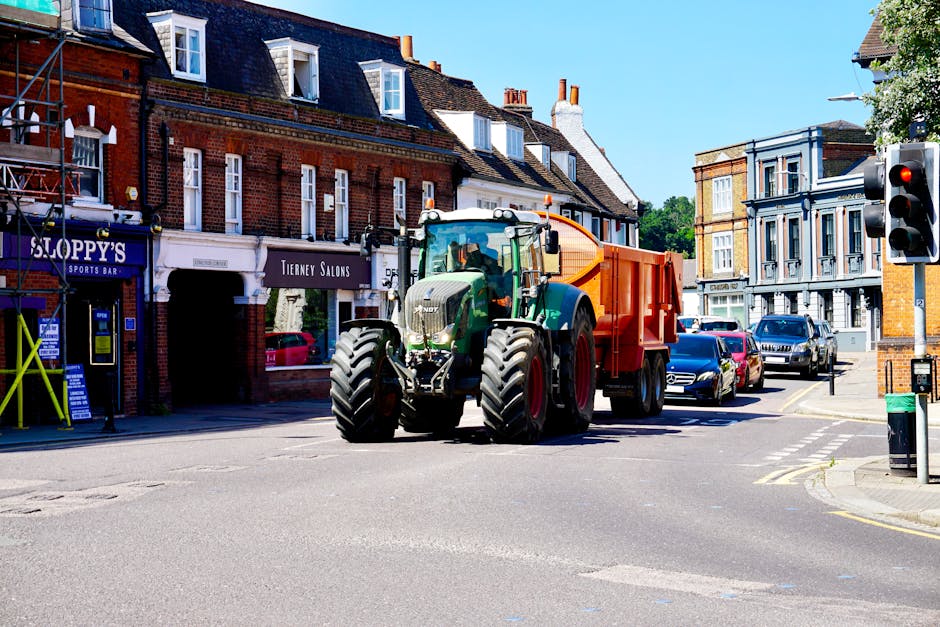
If you have ever watched a removal van inch past parked cars on a tight Isleworth road, you will know the feeling: one wing mirror too close, one awkward corner, and the whole day can start to wobble. Narrow-street moves in Isleworth: safe manoeuvre plans are about turning that tension into a calm, controlled process. In simple terms, it means planning the route, vehicle position, loading order, and timing so the move happens safely even when access is limited.
That matters whether you are moving from a compact flat near the station, a terraced house with limited kerb space, or an office tucked down a tighter side street. This guide breaks down how safe manoeuvre planning works, what to watch for, and how to avoid the kind of mistakes that cost time, damage furniture, or make a perfectly normal move feel like a small drama.
Why narrow-street move planning matters
Isleworth has plenty of streets where access is not generous. That is not a criticism, just reality. Many homes and premises sit on roads with limited turning room, parked vehicles, narrow carriageways, or awkward sightlines. Add a larger van, a bed frame, or a fridge, and the margin for error gets very small.
In a narrow street, the risks are not only about driving. They also include where you stop, how long you stop, how the crew carries items to and from the property, and whether neighbours can still pass safely. A poor plan can lead to blocked traffic, damaged wheels or kerbs, strained lifting, and a lot of unnecessary frustration. To be fair, even a small mistake can spiral if the street is already busy.
There is also the human side. Moves are stressful enough without the added pressure of hearing a queue of cars building behind you or worrying that the van is in everyone's way. Good planning reduces noise, conflict, and last-minute improvisation. It also gives you a much clearer sense of control, which people often underestimate until moving day arrives.
Expert summary: The safest narrow-street move is rarely the fastest one at the start. It is the one where positioning, timing, loading, and walking distance are all thought through before the first box leaves the property.
How safe manoeuvre planning works
A proper manoeuvre plan starts before the van arrives. In practice, it is a combination of access checking, vehicle selection, item sequencing, and crew coordination. When done well, it reduces reversing, limits lifting distance, and keeps the move predictable.
1. Access is checked in advance
The first question is simple: can the vehicle reach the property safely, and if not, where should it stop instead? This involves looking at road width, parked cars, height restrictions, corners, and any obvious pinch points. A helpful move planner will also consider whether the van should approach from one end of the road rather than the other. Small details, big difference.
2. The load is matched to the street
Not every move needs the biggest vehicle available. In some cases, a more compact van, or a staged shuttle approach, is the smarter choice. That may sound less glamorous, but it often means fewer manoeuvres, less stress, and better access to the door. If you are comparing moving options, the broader service structure at services overview can help you think about the type of support you actually need.
3. The route from door to van is simplified
Once the vehicle position is decided, the crew plans the shortest practical carrying route. Ideally that means fewer turns, fewer steps, and no awkward obstacles like low walls, bins, or overhanging branches. If the route is long, the team may use trolleys, runners, or timed loading cycles to keep the pace steady.
4. The loading order is arranged around access
The most awkward or fragile items should not be left until the crew is already tired and the street is getting busier. Instead, items are loaded in an order that matches both weight and shape. For example, a sofa may need to go first if it blocks movement, while smaller boxes can fill the gaps later. If you want more on how to keep things organised, strategic packing advice is a useful companion read.
That is the core idea. A narrow-street move is not just a driving exercise; it is a sequence problem.
Key benefits and practical advantages
When people hear "safe manoeuvre plan", they sometimes assume it is just cautious wording. It is actually one of the most useful parts of the whole move. Done properly, it brings a few clear advantages.
- Less risk of damage: Tight turns, reversing, and hurried lifting are where most avoidable scrapes happen.
- Better time control: A planned stop location and load sequence avoids stop-start chaos.
- Reduced strain: The shorter and clearer the carrying route, the less likely the team is to overreach or twist awkwardly.
- Cleaner communication: Everyone knows where the van is going, where items will be stacked, and what happens next.
- Less disruption for neighbours: Nobody enjoys a van parked across an entrance while everyone waits. A plan reduces that.
There is also a quieter benefit: confidence. You can feel it on the day. The crew is not guessing. The driver is not improvising around a blind corner. The whole thing just feels steadier, and that calm is worth a lot.
For furniture-heavy moves, careful vehicle positioning is especially helpful. If you are moving bulky pieces, you may also find it useful to read about furniture removals in Isleworth, because the access challenge and the item handling challenge usually go hand in hand.
Who this is for and when it makes sense
Safe manoeuvre planning is not only for "difficult" moves. It is useful whenever the access is tighter than average, or whenever the furniture is awkward enough that one bad turn could create trouble.
It makes sense for:
- flats with shared entrances or limited curb space
- terraced houses on narrow residential roads
- student moves where parking is limited and timing matters
- office relocations in busy mixed-use streets
- homes with larger items such as wardrobes, pianos, beds, and sectionals
- same-day moves where preparation time is shorter than ideal
If you are moving from a flat, you may want to think beyond the van itself and consider stairs, shared access, and resident parking pressure too. That is why many people combine access planning with flat removals in Isleworth when space is especially tight.
Some moves are also time-sensitive. A short notice job on a busy street near school drop-off time is a different beast from a quiet midweek move. In those situations, a service such as same-day removals in Isleworth may be relevant, but only if the access plan is still carefully thought through. Speed helps, but not if it creates avoidable risk.
Step-by-step guidance
Here is a practical structure you can use for any narrow-street move. It is straightforward, but it works.
Step 1: Walk the access route before moving day
Look at the street with a mover's eye. Where would the van sit? Is there room to pass a parked car? Can doors open fully? Is there a corner where a longer van would struggle? This small walk-through can save a lot of guessing later. If the route looks tight, take photos from a few angles and note any restrictions.
Step 2: Match the vehicle to the street
In a tight road, bigger is not always better. A medium-sized vehicle may be easier to place and easier to leave. If you are unsure what vehicle suits the job, removal van options in Isleworth can help you think in practical terms rather than just size labels.
Step 3: Clear the path inside and outside
Move bins, loose planters, bikes, and anything else that narrows the carrying route. Indoors, remove rugs that could slip, and make sure hallways are not cluttered. It sounds basic, but basic is exactly where many moves go sideways.
Step 4: Protect the awkward items first
Long mirrors, table tops, mattresses, and sofas should be wrapped and prepared before the pressure is on. For sofa handling, a useful read is long-term sofa protection advice, especially if the item needs to stay clean while it is manoeuvred through a tight space.
Step 5: Decide who leads, who spots, and who carries
Good manoeuvring is team work. One person should guide the van and watch mirrors, another should spot at the rear, and the rest should keep carrying pathways clear. No one should assume everyone else is watching the same obstacle. That is how silly mistakes happen.
Step 6: Load in the right sequence
Heavy, awkward items usually go in first if they create the best base. Smaller items then fill the remaining space. A stable load matters because a poorly balanced van is harder to handle in a narrow street. If lifting technique is a concern, the practical note at innovative lifting approaches is worth a look.
Step 7: Re-check before departure
Before the van moves off, check mirrors, doors, straps, and the street around the vehicle. Sounds obvious, yes. But when people are tired and the kettle has not yet been unpacked, obvious things get missed.
Expert tips for better results
There are a few small habits that make narrow-street moves significantly easier. Nothing dramatic. Just the kind of details that separate a smooth day from a messy one.
- Choose a quieter loading window: Mid-morning or early afternoon can be easier than peak commuter times, where possible.
- Use soft landing points: Keep a blanket or mat near the door for items that need a brief pause before loading.
- Label priority items clearly: If something must come off first, mark it. No hunting through the van later.
- Keep doors clear: A door that opens and closes freely can shave minutes off every run.
- Plan the last 10 feet carefully: The final approach from pavement to van is where people trip, twist, or rush.
- Communicate before each carry: A short "ready?" saves a lot of awkward shuffling.
One practical tip that gets overlooked: if the move involves a mattress or bed frame, plan the turn angles before you start carrying. A mattress in a narrow hall has a personality of its own. Slightly ridiculous, but true. For that reason, bed and mattress move guidance can be surprisingly useful.
And if you are juggling work, family, or student move-out timing, keeping the process emotionally calm matters as much as the logistics. You might even want to skim a calmer moving guide before the day. A steadier head makes for better decisions.
Common mistakes to avoid
Most problems in narrow-street moves are not caused by one huge blunder. They are usually a chain of small ones.
1. Arriving without an access plan
This is the big one. If the crew reaches the street and begins debating where to stop, you have already lost time. The van should not be discovering the street for the first time with a load on board.
2. Blocking neighbours without warning
Even if you have the right to stop somewhere briefly, courtesy still matters. A simple heads-up and sensible timing can prevent a tense exchange on the pavement.
3. Underestimating item size
Wardrobes, corner sofas, and pianos can behave very differently once they meet a tight doorway or bend. People often say, "It'll fit," just before it clearly does not. We have all seen it.
4. Rushing the reverse
A rushed reverse in a narrow street is where mirrors, gates, and tempers can all suffer. Better to stop, check, and take it again than force a bad angle.
5. Not planning for the return route
It is not enough to get the van in. You also need to get it out safely after loading. That means thinking ahead about traffic flow, parked vehicles, and who will guide departure.
6. Forgetting about dismantling time
Some furniture is simply too awkward to carry in one piece. If something needs to be dismantled, that should happen before the narrowest part of the move becomes a bottleneck. For more on that side of the job, see why DIY piano moving is rarely the answer if the item is especially delicate or heavy.
Tools, resources and recommendations
You do not need a truckload of kit, but a few well-chosen items make narrow-street moves much safer and less fiddly.
| Tool or resource | Why it helps | Best use case |
|---|---|---|
| Wheel chocks | Helps keep a vehicle steady once parked | Sloped or uneven roadside positions |
| Furniture blankets | Protects corners, surfaces, and doorframes | Sofas, tables, headboards, and cabinets |
| Straps and tie-downs | Stops movement inside the van | Mixed loads and awkward items |
| Two-wheel trolley | Reduces strain over short carrying distances | Boxes, small appliances, heavy bundles |
| Gloves with grip | Improves control on awkward surfaces | Wet weather, heavy boxes, rough materials |
| Pre-move photo notes | Helps identify access issues in advance | Tight streets with uncertain parking |
On the planning side, a good local mover should be able to explain how the road layout affects the booking. If you are comparing suppliers, the broader advice on man with a van support in Isleworth can be useful for smaller or more flexible jobs, while man and van services in Isleworth may suit lighter access challenges. For more comprehensive moves, you may want to look at house removals in Isleworth or office removals in Isleworth depending on the property type.
If you need a place to keep things out of the way before or after the move, storage in Isleworth can help reduce pressure on a tight access day. And if you are sorting boxes and wrapping ahead of time, packing and boxes in Isleworth is a practical next step.
Law, compliance, standards, or best practice
For narrow-street moves, the main compliance concerns are not mysterious, but they do need respect. In the UK, movers and drivers must work within normal road safety expectations, parking rules, and any local access restrictions that apply to the street. Exact arrangements vary by location, so it is wise to check the practical implications of stopping, loading, and vehicle size rather than assuming it will be fine on the day.
Best practice also means following safe manual handling principles. In plain English, that means not lifting loads that are too heavy to manage safely, keeping a stable stance, and using team lifts or equipment when needed. If something feels off-balance, it probably is. No heroics required.
For customers, a trusted mover should also be clear about insurance, health and safety processes, and any limitations around access. If you want to review those reassurances before booking, insurance and safety information and the health and safety policy are worth reading. If you are comparing costs, pricing and quotes can help you understand what is included, and hidden fees explained for Isleworth removals quotes is especially useful if you dislike surprises. Honestly, who doesn't?
Options, methods, and comparison
Not every narrow-street move should be handled the same way. The right method depends on item size, parking pressure, and how much of the street can be used safely.
| Method | Best for | Pros | Watch-outs |
|---|---|---|---|
| Single-vehicle direct load | Short carries, manageable access | Simple, fast, fewer handovers | Needs enough space for safe positioning |
| Shuttle loading | Streets where the van cannot park right outside | More flexible, less street pressure | More trips, more time, more coordination |
| Small-vehicle access plan | Very tight roads or compact residential streets | Easier to manoeuvre, lower obstruction risk | May require extra load planning |
| Staged loading with pre-positioned items | Moves with lots of furniture and mixed box sizes | Efficient once set up properly | Needs strong organisation and clear labelling |
In practice, the "best" method is the one that reduces friction without adding unnecessary complexity. For a simple flat move, a compact plan may be all you need. For a larger home or office with lots of furniture, more structure is better. If you are moving a mixed household load, removals in Isleworth can give you the broader service framework, while removal services in Isleworth may suit a more tailored arrangement.
Case study or real-world example
A recent local-style scenario is easy to picture. A client on a narrow Isleworth residential street had a move involving a sofa, a double bed, several boxes, and a freezer that needed careful handling. The road had parked cars on both sides, and the property entrance was just off a bend. Nothing unusual, but enough to make the day tricky if approached casually.
The solution was not complicated. First, the van was positioned where it could leave safely without a multi-point manoeuvre. Second, the crew carried the larger items first while the path was clear. Third, boxes were grouped near the door before loading, so no one had to keep squeezing back through the hall. The freezer was isolated and loaded upright with extra care, following the kind of guidance you might also see in freezer care during inactivity.
The result? Less time spent blocking the road, fewer awkward pauses, and no panic when a car appeared at the far end of the street. The move was still a move, of course. There was still dust, tape, and that moment where someone says they packed the kettle "somewhere obvious". But the access plan kept the day calm enough to stay manageable.
Practical checklist
Use this before the van arrives. It is basic, but it is the kind of basic that prevents trouble.
- Confirm the best vehicle size for the street and the property.
- Check where the van can stop without blocking access or creating a hazard.
- Walk the route from property to van and clear obstacles.
- Identify any awkward items that need team lifting or dismantling.
- Wrap fragile corners, mirrors, and upholstered pieces before carrying.
- Keep stairways, hallways, and doorways clear.
- Label priority items so they are loaded or unloaded in the right order.
- Prepare a second plan if the original parking spot is taken.
- Keep children and pets away from the loading route.
- Review insurance, safety, and any special access notes before moving day.
If the move is tied to a tenancy change, a final clean-out may also help you avoid last-minute stress. The clean move-out checklist is a sensible companion piece, especially when you are juggling keys, cleaning, and furniture in one go.
Conclusion
Narrow-street moves in Isleworth are not about brute force. They are about judgment, patience, and a plan that fits the street rather than fighting it. When the vehicle, the loading order, the carrying route, and the timing are all thought through, the move becomes much safer and far less chaotic.
The best results usually come from keeping things simple: pick the right vehicle, protect the awkward items, clear the route, and move with a calm, steady rhythm. Not every minute has to be perfect. But the day should feel controlled, and that is the real win.
If you are comparing options for a tight-access move, it is worth looking at the full range of support available, from removal companies in Isleworth to more flexible local help. A thoughtful plan today can save a whole lot of hassle tomorrow, and sometimes that is all you need.
Get a free quote today and see how much you can save.