Packing for a TW7 Isleworth move: Spring Grove to Syon Lane
Posted on 06/05/2026
Moving a short distance in Isleworth can feel deceptively simple. Spring Grove to Syon Lane is not a cross-country haul, after all. But packing for a TW7 Isleworth move: Spring Grove to Syon Lane still takes planning, judgement, and a bit of local know-how if you want the day to run smoothly. Narrow hallways, awkward parking, last-minute box chaos, and that one drawer full of random cables can all slow things down in a hurry.
In practice, a well-packed move saves time, reduces damage, and makes arrival at the new place far less stressful. Whether you are shifting a flat, a family house, student belongings, or a small office setup, the goal is the same: pack in a way that keeps things safe, organised, and easy to unload. This guide walks you through the process in a clear, practical way, with local-friendly advice and a few hard-won lessons that tend to matter more than people expect.
For readers who want extra support alongside this guide, useful resources such as packing and boxes in Isleworth, removals in Isleworth, and man with a van Isleworth can help turn the plan into a workable moving day.

Why Packing for a TW7 Isleworth move: Spring Grove to Syon Lane Matters
A local move in TW7 can look easy on a map. Spring Grove and Syon Lane are both part of the same broader Isleworth area, so it is tempting to think you can simply box things up the night before and get on with it. Truth be told, that approach usually creates the kind of morning nobody enjoys.
Packing matters because the route may be short, but the risk profile is still real. Furniture has to be protected during loading and unloading. Fragile items still need cushioning. Boxes still need to be labelled. And if you are moving through flats, terraces, or shared access points, you may be dealing with stairwells, tight corners, and neighbours who would rather not hear a wardrobe scraping down the banister at 8 a.m.
There is also the psychological side. Good packing gives you control. It turns an anxious jumble into a sequence of decisions you can actually complete. That matters more than people admit. When everything is mixed together, even a short move can feel like a full-scale headache.
If you are downsizing, relocating for work, or simply moving from one side of Isleworth to the other, sensible packing also makes unpacking faster. You will know where the kettle is. You will know which box has the bedding. You will know whether the charger, the documents, and the kettle all made it. Small thing. Big relief.
How Packing for a TW7 Isleworth move: Spring Grove to Syon Lane Works
The process is less about throwing everything into boxes and more about building a loading plan. A well-packed move is organised by room, fragility, and priority. That way, the van can be loaded in a logical order and the essential items can come out first when you arrive.
Most people start with decluttering, then gather materials, then pack non-essentials, and finally finish with everyday items closer to moving day. That sequence works because it reduces the amount of handling needed. Fewer items means fewer boxes. Fewer boxes means less lifting. And less lifting means less chance of breakage or strain.
If you are trying to make the move smoother from the start, it helps to combine packing with essential decluttering steps and strategic packing advice. That combination gives you a calmer system, especially if you are working around family life, work calls, or a tight completion window.
In a practical sense, the method looks like this:
- Sort belongings room by room.
- Set aside fragile, valuable, and awkward items.
- Pack non-essentials first.
- Label everything clearly, ideally on multiple sides.
- Keep one essentials box or bag accessible for the first 24 hours.
That might sound basic. It is basic. But basic done well is what stops moving day from turning into a scavenger hunt.
Key Benefits and Practical Advantages
Proper packing delivers more than neat boxes. It changes how the whole move feels and functions. Here are the main advantages that matter most in a local Isleworth relocation.
Less damage to belongings
Wrapped glassware, protected edges, and well-filled boxes travel better. Items that are packed loosely tend to shift and knock into one another. That is how chipped mugs, bent frames, and cracked ornaments happen. Not ideal, obviously.
Faster loading and unloading
When boxes are labelled by room and category, movers can place them in the right areas quickly. The same applies at destination. You are not opening six boxes to find the toaster.
Better use of van space
Uniform box sizes, tidy stacking, and careful weight distribution help the load sit more securely. This is especially useful on a route like Spring Grove to Syon Lane, where a short journey should not be slowed down by poor packing choices.
Lower stress on moving day
There is a certain peace that comes from knowing your essentials are where they should be. The first mug of tea in the new place tastes better when you are not hunting for it in a random carrier bag.
Safer handling of heavy items
Packing can also reduce manual handling risk. A sensible packing approach makes heavy items easier to carry, stack, and protect. For more on that side of the process, see solo heavy lifting guidance and kinetic lifting techniques. If you are moving a piano or other specialist item, this becomes even more important, and frankly it is not the moment for guesswork.
Who This Is For and When It Makes Sense
This kind of packing plan suits anyone moving within TW7, but the details change depending on the household. A young professional leaving a one-bedroom flat will not need the same system as a family moving a three-bed house. A student with boxes of books, monitors, and kitchen bits has different priorities again.
It makes sense if you are:
- moving from Spring Grove to Syon Lane or nearby streets in Isleworth
- relocating from a flat and need to manage stairs or access times
- moving a house and need room-by-room structure
- handling a smaller move with a man and van setup
- moving on a deadline and need a practical, low-fuss plan
- storing items temporarily between addresses
It also makes sense if you have fragile furniture, large appliances, or specialist pieces. For example, a sofa with removable legs needs different treatment from a bookcase. A mattress needs a different cover. A freezer in inactivity needs care before it is moved or stored. That is why local support pages such as furniture removals Isleworth and storage in Isleworth can be genuinely useful when you are planning the bigger picture.
If you are only moving a few streets away, you might think it is not worth planning. But a short distance move can actually be the easiest one to get wrong because people relax too early. Then boxes are half-labelled, sockets are still plugged in, and someone is chasing a missing phone charger at the end. Happens all the time.
Step-by-Step Guidance
Here is a straightforward way to pack for the move without losing your mind halfway through.
1. Start with a realistic sort-out
Before you pack anything, decide what stays, what goes, and what can be stored or recycled. It is much easier to move 40 boxes than 55. If you are not sure where to start, a guide like decluttering before moving helps set the tone.
2. Gather supplies early
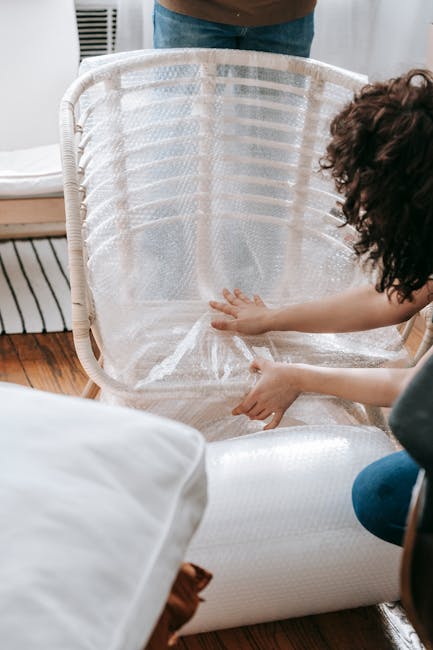
You will likely need strong boxes, tape, marker pens, paper or bubble wrap, furniture covers, mattress bags, and maybe wardrobe boxes. Waiting until the night before usually ends in a late dash to the nearest shop and, let's face it, a box that is a bit too small for comfort.
3. Pack non-essential rooms first
Start with cupboards, guest rooms, seasonal items, books, decor, and spare linen. These items are easier to live without for a week or two. Keep day-to-day items accessible for as long as possible.
4. Protect fragile items properly
Wrap glasses individually. Fill empty space with paper or soft packing material. Keep plates upright, not flat. And avoid underestimating how much cushioning a box really needs. A box that sounds like a maraca when you shake it is not finished.
5. Pack heavy items into smaller boxes
Books, tools, and kitchen tins should go into small boxes so they do not become impossible to lift. This is one of those moving truths people learn the hard way. A small box can be awkward enough. A giant one full of novels is a back complaint waiting to happen.
6. Label clearly and consistently
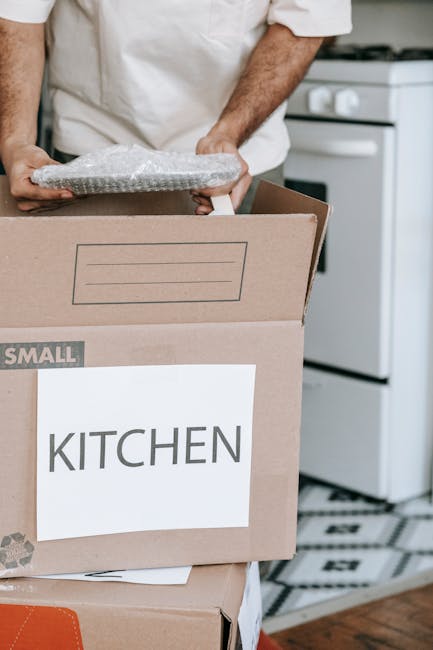
Write the room name, a short contents list, and any handling notes such as "fragile," "this side up," or "open first." Use the same wording on every box, and put labels on the top and one side. That tiny habit saves a lot of confusion later.
7. Prepare furniture and specialist items
Disassemble what can safely be taken apart, keep screws in labelled bags, and protect corners. For beds and mattresses, a dedicated approach is best; easy bed and mattress moving tips can be helpful if you are unsure how to approach bulky bedroom pieces.
8. Create an essentials kit
Keep toiletries, chargers, keys, kettle items, snacks, medication, a change of clothes, and basic cleaning supplies with you. The first night in a new place is always nicer when the essentials are easy to find. Always.
9. Check access at both addresses
Measure doorways if needed, confirm parking arrangements, and think about lift access, stairs, and entrance widths. Isleworth properties can vary quite a bit in layout, so what seems obvious on paper may feel different when you are actually carrying a sofa through the front hall.
10. Finish with a final sweep
Once packed, check cupboards, loft spaces, under beds, and behind doors. Many people leave something behind by accident. Usually something not huge, but annoyingly useful.
Expert Tips for Better Results
A few small adjustments can make packing much better. These are the details that local movers tend to notice, because they save time and prevent the day from going sideways.
- Pack by destination room, not just by item type. It is easier to unload boxes straight into the right room.
- Use towels and linens wisely. Soft items can protect crockery or fill gaps. Efficient, tidy, and cheaper than overbuying materials.
- Keep cables together. Put plugs, chargers, and remote controls in one labelled pouch per room.
- Photograph setups before dismantling. A quick picture of shelves, beds, or TV wiring can save time later.
- Do not overfill large boxes. Bigger is not better if the box folds under its own weight.
- Use colour coding if you like visual systems. A strip of coloured tape per room can speed unloading nicely.
- Plan around the weather. Spring and autumn moves in London can still bring damp pavements, drizzle, or a sudden warm spell, which affects how long items sit outside.
One small but useful habit: keep a marker in your pocket while packing. Sounds trivial. It saves you from wandering around the flat with a box in one hand and no pen in the other, which, oddly enough, happens more than you would think.
If you are moving furniture that needs extra protection, guidance from sofa protection tips can help reduce wear during transit and storage. For especially awkward items, it may also be worth checking the advice available through piano removals in Isleworth, even if you are not moving a piano, because the same principles of care and stability often apply.
Common Mistakes to Avoid
Most packing problems are preventable. They happen because people are busy, tired, or trying to do everything in one evening. No judgement. Still, these are the mistakes worth avoiding.
- Leaving packing too late. This creates rushed decisions and messy boxes.
- Using weak or mismatched boxes. Old supermarket boxes can fail when stacked.
- Packing heavy and fragile items together. That is a recipe for damage.
- Forgetting to label the essentials. The first night becomes harder than it needs to be.
- Not measuring furniture. A sofa that fits in the old living room may still be awkward in the new one.
- Ignoring specialist items. Freezers, pianos, antiques, and large mirrors deserve dedicated planning.
- Overlooking cleaning and handover duties. The end of a move is often when people are the most drained.
There is also the "I'll just put it all in one box and sort it later" trap. Later is usually never. Or it is 11:40 p.m. surrounded by mystery chargers and a teaspoon. Not ideal.
If your move-out requires a proper tidy-up too, the clean move-out checklist is worth a look. It helps you avoid the little bits that can turn into a bigger headache at the end.
Tools, Resources and Recommendations
Good packing does not require fancy gear, but the right tools make a visible difference. Think practical rather than perfect.
| Item | Best use | Why it helps |
|---|---|---|
| Small and medium boxes | Books, kitchen items, toiletries | Keeps weight manageable and reduces box failure |
| Wardrobe boxes | Hanging clothes | Saves ironing and reduces creasing |
| Bubble wrap or paper | Glass, ceramics, picture frames | Prevents rubbing and impact damage |
| Mattress covers | Beds and mattresses | Keeps bedding protected from dirt and damp |
| Strong tape | Sealing boxes | Stops boxes opening under load |
| Marker pens and labels | Box identification | Speeds unloading and unpacking |
For many households, the simplest route is to use a local service that understands the area, the access issues, and the pace of short-distance moves. Pages like services overview, house removals Isleworth, flat removals Isleworth, and student removals Isleworth can help you match the service to the move size.
It is also sensible to think about the next stage of the process. If you need a temporary holding solution, storage in Isleworth can keep things out of the way while you settle in. And if time is tight, a same day removals Isleworth option may be the practical answer, provided the job is suitable for it.
Law, Compliance, Standards, or Best Practice
For a local move, the main compliance considerations are usually practical rather than legal in the dramatic sense. That said, there are still some important best practices to keep in mind.
Manual handling: Heavy lifting should be planned carefully, especially for awkward furniture or appliances. UK health and safety expectations place a real emphasis on avoiding preventable strain. In plain English, don't try to heroically carry what really needs two people, gloves, straps, or better equipment.
Access and parking: Check local parking rules, building access arrangements, and any restrictions at both addresses. If your move involves shared entrances, flats, or managed properties, it is smart to confirm loading access in advance. No one likes discovering a permit issue when the van is already parked and the clock is ticking.
Insurance and care: It is sensible to understand what protection is included for goods in transit and what your own policy covers. If anything valuable, fragile, or irreplaceable is involved, ask questions before the move. For more detail, insurance and safety information is worth reviewing.
Data and personal items: Secure passports, bank papers, keys, and devices separately. Keep them with you rather than in the van. That is just good practice, really.
Recycling and waste: If you are discarding boxes, wrapping, or unwanted household items, it helps to plan disposal responsibly. The page on recycling and sustainability is a useful reminder that moving does not need to create avoidable waste.
For service terms, booking details, and payment expectations, it is always wise to read the relevant pages before confirming anything. A little clarity now saves awkwardness later.
Options, Methods, or Comparison Table
Different packing approaches suit different kinds of TW7 moves. Here is a simple comparison to help you decide what fits your situation.
| Method | Best for | Pros | Trade-offs |
|---|---|---|---|
| DIY packing | Smaller moves, tight budgets, flexible schedules | More control, lower upfront spend | Takes time; easy to underestimate materials and effort |
| Hybrid packing | Busy households, mixed furniture, short deadlines | Good balance of control and support | Needs clear coordination |
| Full packing support | Larger homes, fragile items, high-pressure moves | Fast, organised, less stress | Costs more than DIY |
For a straightforward flat move, DIY may be enough if you start early. For a family house or a move with bulky items, a hybrid approach is often the sweet spot. And if you are facing a lot of stair work, delicate furniture, or a same-day deadline, full support can be the calmer choice.
Commercially speaking, comparing options is easiest when you look beyond price alone. Ask yourself: how much time will packing take, how much damage risk is there, and how much mental bandwidth do you have left? That last one matters, honestly.
Case Study or Real-World Example
Here is a realistic local example, without dressing it up too much.
A couple moving from a compact flat near Spring Grove to a property off Syon Lane wanted to do most of the packing themselves. They had a sofa, a double bed, books, kitchenware, a freezer, and enough loose household bits to fill the boot of a small car twice over. At first they planned to pack everything the weekend before moving day. Classic mistake waiting to happen.
Instead, they split the work over ten days. First came decluttering. Old cables, duplicate kitchen items, worn-out hangers, and spare packaging went out. Then they packed books and non-essential decor in small boxes. Fragile crockery was wrapped carefully and kept separate from heavier items. The freezer was emptied and managed properly in line with sensible freezer care during inactivity. The bed and mattress were covered before dismantling.
On moving day, the van crew could load quickly because every box was labelled and grouped by room. The couple knew where the essentials box was, so they had tea, toiletries, and clean bedding within minutes of arriving. Nothing dramatic happened. Which, in removals, is usually a very good sign.
The lesson is simple: even on a short Isleworth move, structured packing creates a much calmer finish. You do not need perfection. You need order, timing, and a bit of forethought.
Practical Checklist
Use this checklist in the days leading up to your move.
- Declutter each room before packing
- Buy enough boxes, tape, labels, and wrapping materials
- Pack one room at a time
- Keep heavy items in smaller boxes
- Wrap fragile items individually
- Label boxes with room names and contents
- Prepare a clearly marked essentials bag or box
- Disassemble furniture only when safe to do so
- Protect mattresses, sofas, and upholstery
- Back up important files and secure devices
- Confirm access, parking, and timing at both addresses
- Set aside valuables and personal documents to keep with you
- Check cupboards, lofts, and storage spaces before leaving
- Keep cleaning items aside for the final sweep
Expert summary: the best packing plan for a TW7 Isleworth move is usually the one that reduces handling, protects fragile items, and makes arrival simple. Short local moves still benefit from structure. In fact, they often benefit more because people are tempted to rush.
Conclusion
Packing for a TW7 Isleworth move: Spring Grove to Syon Lane is not just about getting items into boxes. It is about protecting your belongings, reducing stress, and making a short local move feel orderly from start to finish. With the right materials, a realistic schedule, and a few sensible habits, you can avoid the common chaos that sneaks into even the smallest relocations.
The main thing is to start earlier than feels necessary, label more clearly than feels needed, and respect the awkward items that always take longer than expected. Sofas, mattresses, appliances, and fragile household pieces all reward careful handling. And your future self, standing in the new place with a cup of tea and no missing kettle, will be quietly grateful.
If you want the move to feel easier from the outset, explore trusted local support such as removal services in Isleworth, a removal van in Isleworth, or man and van Isleworth options that fit your timeline and home size. A little planning goes a long way, and in a move like this, that really is the difference.
Get a free quote today and see how much you can save.
Take it one box at a time. The move will pass, and the new place will start to feel like home before you know it.